AI and Faith has compiled resources from our Artificial Intelligence and Governance theme, from May to June 2026.
Podcast
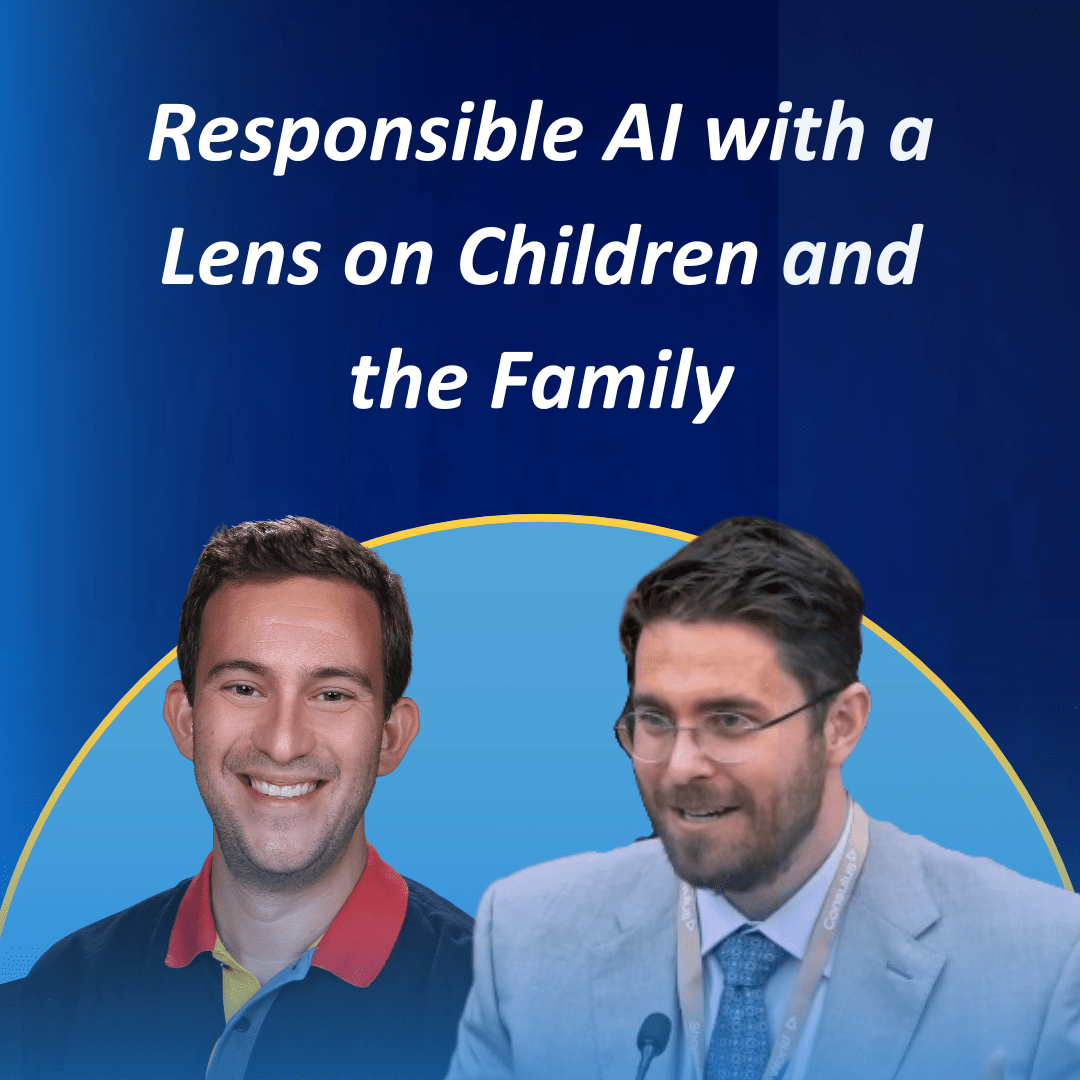
In this episode, we’re joined by Ben Olsen, longtime AI and Faith expert and the founder of the Faith Family Technology Network. We dive into a fascinating conversation about the organization’s mission and their role in navigating the defining political and social questions of our time—specifically, how the evolution of artificial intelligence is reshaping the lives of children and families.
AI and Faith Articles

The Enlightenment tangles up Western imaginations in categories of real and not real, material or immaterial. Whether we like it or not, they are default ways of speaking and talking about artificial intelligence (the categories are inherent in the name!) AI and Faith expert Kush Varshney outlines the imagination of the Advaita Vedāntic tradition and the real contributions it offers AI governance and ethics of personhood.

From ethicswashing to outright ethicsbashing, it is tempting to believe the project of public ethics is a waste of energy. Yet, despite the inefficiency of ethics, or perhaps because of it, the significance of public ethics persists, not least for matters of governance. AI and Faith expert Dan Heck considers the Protestant Reformation and the Diet of Worms as an example of clashing public religious ethics and their role in governance.

The idea of AI’s inevitability works against measures for its governance. Our future remains undetermined and even ideas that “come with the prospect of trillion-dollar IPOs” may be resisted and reformed. Here, AI and Faith expert Robert Geraci offers some of his latest thoughts and pushes back “by (a) revealing the essential religiosity of the Singularity and (b) offering a few values from elsewhere around the world.”
Outside Articles
Understanding bias within LLMs and autonomous models is difficult but crucial for successful governance plans. A recent study of 20 LLMs and 14 religious categories found that models demonstrated repeated patterns of preference for some faith traditions over others. This asymmetry was found in large commercial models. This study provides a useful framework for thinking through questions of bias, preference, and governance. Read here.

Governance in AI requires deep thought and a conviction that our technological future is not inevitable. “Just because you can build something, doesn’t mean you should build it.” This week’s insights come from Alex Pascal, executive director of Harvard’s Berkman Klein Center for Internet & Society as quoted in Jewish Insider. Read here.

The May 2026 issue of public theology journal PaxLumina offers a broad range of Christian perspectives on AI, primarily from SE Asia and also Africa. Topics include maintaining national digital sovereignty, environmental impact projects, and AI in war, and–our theme this month–public governance. Of special note is the article, “Peace and Reconciliation in the Age of Algorithms: A Chinese Reflection” by Simon G. M. Koo, (pp 8–11). Koo marks the influence of Confucian, Daoist and Buddhist traditions in a Chinese “grammar” of AI critique that is generally concerned about creating disharmony and malformation, in contrast to a Western grammar more concerned with creating something that escapes control or rebels. Read here.
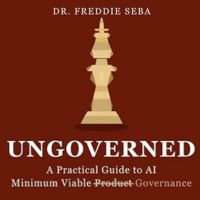
Dr. Freddie Seba has made AI and governance his area of expertise. His work, Ungoverned: A Practical Guide to AI Minimum Viable Governance, offers twelve dimensions to anchor and analyze the practical aspects of governance.